When a fire breaks out, our natural survival instinct is to grab the nearest source of moisture. No matter whether it is a glass of water, a pot bubbling, or a garden hose, H2O will work wonders immediately. But the question is, what will happen if the water is already at the boiling point? Can boiling water put out a fire? Or it will fuel the disaster by adding more heat.
With the right understanding of the chemistry of combustion and temperature, it is something that is critical for the safety of the home, and the relationship between these two is interesting. By breaking down thermodynamics and firefighting, this guide is helpful to understand the ways in which water temperature works with fire flames. It also makes the boundary clear of water that can turn it from a lifesaver into something dangerous.
The Physics of Fire Extinguishment
To understand how water interacts with flames, we have to look closely at the “fire triangle“. A fire requires three distinct elements to ignite and sustain itself: fuel, oxygen, and heat. If you completely remove even one of these components, the combustion process breaks down immediately.
Many people assume that water primarily smothers a fire by cutting off its oxygen supply. While standing liquid can create a physical oxygen barrier on solid surfaces, this is actually a secondary effect. The primary way that water can put out a fire is through rapid cooling. Water has an incredibly high specific heat capacity, meaning it absorbs vast amounts of thermal energy before it shifts in temperature. When liquid water hits an ordinary combustible material, it acts like a thermal sponge, drawing heat away so rapidly that the fuel drops below its ignition point.
Can Boiling Water Put Out a Fire? The Science
The direct answer is yes: boiling water can put out a fire. The source of fuel is certainly fabric, wood, paper, and other combustible materials.
To phase the changes, science comes down. To control the fire, the water should change into steam (liquid gas). For this transition, a huge amount of energy is needed. In scientific terms, it is a process of latent heat vaporization. For the 100 °C water to transform into heat, five times more heat energy is required than freezing water to the boiling point.
At temperatures of 300°C to 370°C, wood and other combustibles ignite, but the water at 100°C is still cooler than the fire. Upon pouring the boiling water on a wood flame or campfire, the intense heat energy will be absorbed, and the fire will turn into vapors. This massive energy theft starves the fire of the heat it needs to survive, forcing the flames to collapse. Concurrently, the expanding steam clouds displace local oxygen, providing a dual smothering punch.
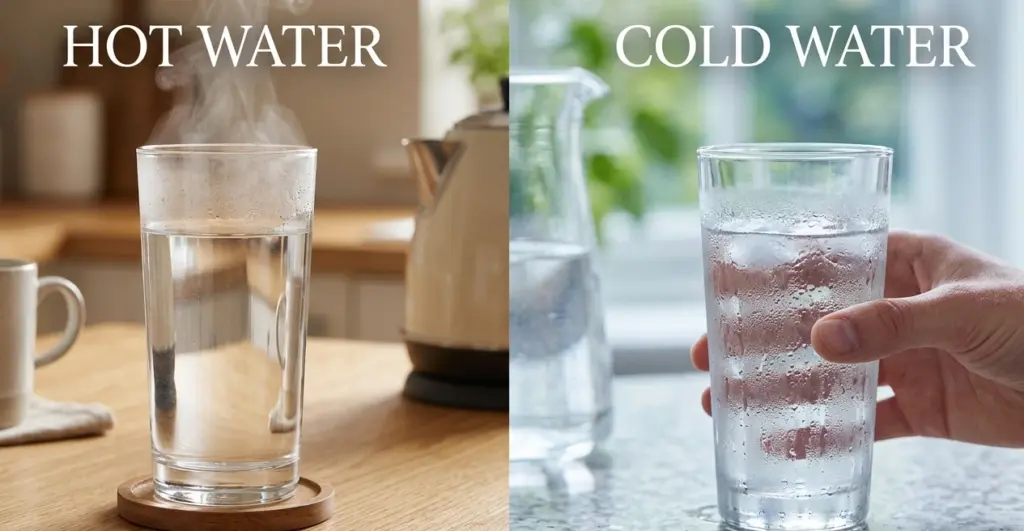
Hot Water vs. Cold Water for Firefighting
If both options can douse a fire, is there a functional difference between them? From a strict laboratory standpoint, can hot water put outa fire faster than cold water?
The Cold Water Edge
The cold will require a little extra heat at first and fire, so it can warm it up to 100°C to reach the vaporization stage. So, in this way, the cold has 1% of marginal advantage in the capacity for absorption of more heat.
The Hot Water Edge
Because the boiling water is already at its boiling point, it will turn into vapors more quickly. A more instant vaporization will take place and smother the surrounding oxygen through soon steam generation.
Ultimately, in a real-world emergency, the micro-difference between water temperatures is completely negligible. You should always use whatever water is closest at hand rather than waiting for a tap to change temperature.
When Water Makes Fires Worse
While liquid water is highly effective against Class A fires (wood, trash, paper), using it on other fuel types can cause catastrophic damage. This is especially true in the kitchen.
Never pour water, boiling or cold, onto a grease or cooking oil fire. Cooking oils burn at temperatures far exceeding the boiling point of water. When water hits a boiling pan of grease, it instantly sinks to the bottom because water is denser than oil. Trapped at the bottom, the water flashes instantly into steam, expanding to over 1,700 times its original liquid volume. This micro-explosion forcefully blasts droplets of burning oil into the air, creating a massive fireball that can engulf an entire kitchen in seconds.
Similarly, water conducts electricity. Throwing water onto an electrical fire can shock you and short-circuit home systems, spreading the fire further.
Can Water Itself Catch or Start a Fire?
Because water is used to extinguish flames, people often ask unusual questions about its chemical limits:
- Can water be set on fire?
- Can water be set on fire, or can water start a fire?
- Can boiling water start a fire?
No, boiling water on its own cannot cause a fire. However, leaving a pot of water unattended on a stove can lead to a fire if the water boils away completely, leaving the dry pot to overheat, melt, and ignite surrounding kitchen elements.
Conclusion
While boiling water can scientifically put out a basic wood fire through thermal absorption, it is never a safe or smart tool for fighting modern household emergencies. Throwing any form of water onto a kitchen grease or electrical fire can lead to devastating injuries and rapid property damage. True safety lies in stopping the fire before it spreads.
True safety requires a proactive, automated approach rather than reactive, dangerous kitchen remedies. The FireBot Suppression System is a UL300A-certified device specifically engineered to protect your home, RV, or property from stovetop fires before they can spread.
Don’t gamble with boiling pots or dangerous household myths. Protect your home and loved ones by calling (888) 271-3473 or visiting firebotsuppression.com today to learn more about our state-of-the-art automatic fire safety systems.
Frequently Asked Questions
How does a smart fire suppression system work?
A smart system uses specialized thermal sensors to continuously monitor cooktop temperatures. If a fire is detected, it automatically releases a targeted, non-toxic suppressant directly over the burners, killing the flame instantly before it can spread into a structural home fire.
Can you put out a grease fire with boiling water?
No, you must never use water of any temperature on a grease fire. Water flashes to steam instantly beneath hot oil, expanding violently and throwing burning grease outward, which severely escalates the fire and increases the risk of severe burns.
Can water be set on fire under any circumstances?
No, water can never be set on fire under any circumstances, as it has chemical stability and is already oxidized. But if the water comes into contact with the lithium or sodium, by splitting it apart, the water can generate flammable hydrogen gas.
Is hot water or cold water better for putting out a trash fire?
Both will work effectively on ordinary combustibles like trash or wood. Cold water has a tiny, fractional advantage in absorbing raw heat energy, while hot water turns to steam slightly quicker to help smother flames. Use whichever is available instantly.
Can boiling water start a fire if left on the stove?
Boiling water itself cannot start a fire. However, if a pot is left unattended and all the water evaporates, the empty pot will absorb intense, concentrated heat from the stove burner. This can melt the cookware and ignite nearby cabinetry or grease residues.